

How Inflatable Advertising Creates Instant Brand Presence Outdoors
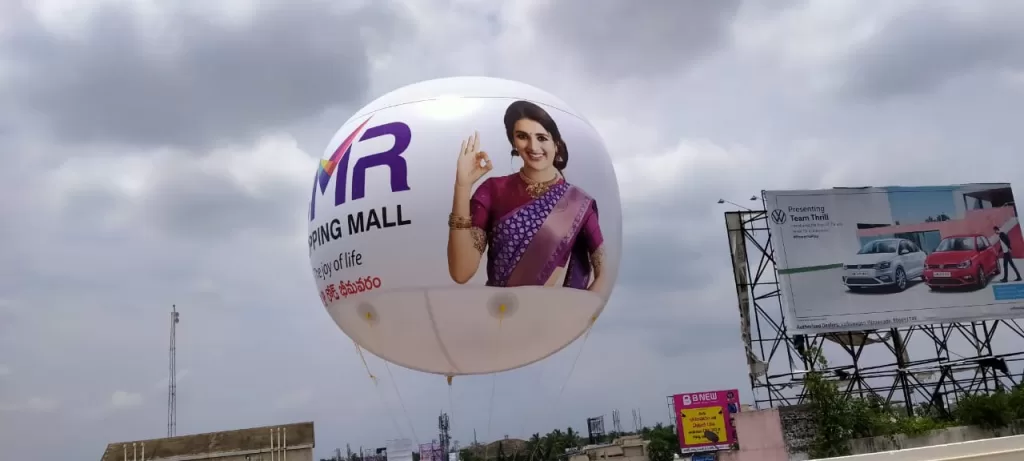
Outdoor
promotions have only a few seconds to attract attention. In busy event spaces,
shopping areas and public venues, brands compete with signs, stalls, vehicles
and surrounding activity. Large inflatable displays can create a clear visual
focal point because their size, shape and movement make them easy to notice
from a distance.
Used
carefully, inflatable advertising can turn open space into a recognisable
branded area without relying on a conventional flat sign. Inflatable arches,
air dancers, giant product shapes, characters and other custom structures can
support launches, exhibitions, festivals, sporting events and temporary
promotions while keeping the message visible and easy to understand.
Why Scale Makes a Difference
Outdoors
Outdoor
environments are visually demanding. A small banner may work well at close
range, but it can disappear into the background when visitors are approaching
from across a field, car park or event site. An inflatable structure introduces
height and volume, giving people something distinctive to notice before they
reach the promotion area.
That scale
can also help with orientation. A large arch or branded shape may act as a
landmark for an entrance, meeting point or activity zone.
Size alone
is not enough. The strongest displays use scale to support a simple idea. Too
much text or too many competing graphics can make a large inflatable harder to
understand quickly.
Choosing a Format That Matches the
Campaign
Different
inflatable formats serve different purposes. Arches can mark entrances, start
and finish points or defined activity areas. Air dancers add movement near
retail or promotional spaces. Giant replicas and custom shapes can reflect a
product, mascot, logo or campaign theme.
The right
choice depends on what people need to notice first. If the goal is wayfinding,
an arch may be more useful than a character. If product recognition matters, a
bespoke replica may communicate the idea faster than a text-heavy display.
Viewing
distance also matters. Fine detail that looks impressive on a design proof may
disappear outdoors. Strong shapes, clear colour contrast and restrained wording
are usually easier to understand from a distance.
Brand Recognition Comes From Clear
Visual Decisions
An
inflatable should feel connected to the rest of the campaign rather than
appearing as a separate decorative item. Colours, logos, type and overall shape
should support the same visual identity used on banners, staff clothing,
exhibition graphics or printed material.
This is
where inflatable advertising works best as part of a wider outdoor plan.
The structure can attract the first glance, while nearby signage, staff or
displays provide more detailed information. Asking one inflatable to carry
every message can weaken its purpose.
A clear
visual hierarchy helps. Viewers should recognise the brand first and understand
the broad purpose shortly afterwards. If a logo, headline and decorative
elements all compete equally, the result can feel cluttered.
Practical Factors to Check Before Installation
Outdoor use
requires more planning than choosing a shape. Site conditions, available space
and operating requirements all affect what is suitable. Before ordering or
installing an inflatable, check:
●
the
available footprint, height and surrounding clearance;
●
how the
unit will be positioned and secured;
●
expected
wind and weather conditions;
●
access to
any power needed for inflation equipment;
●
venue
rules, permissions and installation restrictions;
●
safe
separation from roads, overhead obstacles and busy walkways;
●
visibility
from the main direction of approaching visitors;
●
the time
available for setup and removal.
These
checks should be completed early, especially for public events or unusual
locations. A specialist supplier can explain installation requirements and help
determine whether a proposed design is practical.
Weather, Safety and Site Management
Matter
Inflatables
used outdoors are temporary structures, so changing weather conditions need proper
attention. Wind can affect large surfaces, while rain or poor ground conditions
may influence how equipment is installed and managed. Anchoring and operating
limits should always follow the supplier's instructions.
Event
organisers should also consider movement around the site. Entrances must remain
usable, emergency routes should stay clear, and power cables or supporting
equipment should not create avoidable trip hazards.
Professional
advice is useful when the location, size or weather exposure makes installation
less straightforward. Discuss the intended position and surrounding environment
before the event.
Buy or Hire: Think About Frequency
of Use
Whether to
buy or hire depends largely on how often the inflatable will be used and how
specific the branding needs to be. Hiring can suit a one-off event, short
campaign or temporary requirement.
Buying may
suit organisations that attend regular events or want a highly customised shape
for repeated use. In that case, storage, transport, inspection and future setup
requirements should be considered from the beginning.
The
decision should be based on practical use rather than appearance alone. A
design that works across several venues may offer greater flexibility.
Designing for Fast Understanding
Outdoor audiences
are often moving. They may be walking between stands, driving past a site or
looking across a crowded event. This means the message needs to work quickly.
Avoid long
sentences, small lettering and unnecessary detail. Keep the main brand element
easy to identify and make sure the overall shape supports the message. If the
inflatable represents a product or character, the form itself may do much of
the communication.
Check
whether the central idea remains clear when the artwork is viewed small, as
this can reveal unnecessary detail.
Conclusion
Inflatable
displays can create immediate outdoor presence by combining height, scale,
shape and, in some formats, movement. Their value is strongest when the design
is simple, the branding is consistent and the structure has a clear purpose
within the wider event or campaign.
Before
using inflatable advertising, assess the site, weather exposure,
visibility, power needs, anchoring, access and expected frequency of use.
Choose a format that communicates clearly from a distance, and seek
professional guidance when the location, installation or operating conditions
require specialist input.



Post a Comment