

How Economic Calendars Can Improve Forex Trading Timing
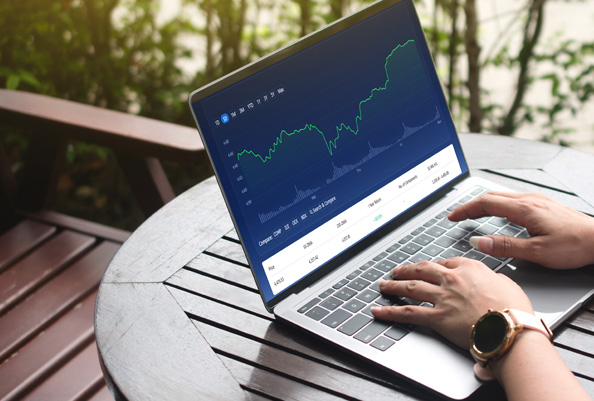
A lot of beginners focus heavily on charts when learning FX trading. They study indicators, trend lines, candlestick patterns, and entry signals while barely paying attention to the economic events happening around the market itself.
Then one day, everything changes in seconds.
A trade that looked perfectly calm suddenly becomes extremely volatile. Prices spike aggressively, spreads widen, and the market moves far faster than expected. For many traders, this becomes the moment they realise timing matters just as much as analysis.
That is where economic calendars quietly become one of the most useful tools in trading.
They do not predict the market perfectly, but they help traders understand when conditions are likely to become more emotional, volatile, or unpredictable.
At first, economic calendars may look overwhelming. There are employment reports, inflation data, interest rate announcements, manufacturing numbers, and central bank speeches happening throughout the week. Beginners often ignore them because the information feels too technical.
But over time, patterns begin standing out.
Traders notice certain announcements consistently create stronger reactions than others. Interest rate decisions suddenly make sense because they influence currencies directly. Inflation reports start feeling important because they shape expectations around future policy changes.
The market begins feeling connected to real world events rather than random movement on a screen.
One of the biggest advantages of following economic calendars in FX trading is preparation. Traders stop getting caught off guard by major volatility because they already know when important events are approaching.
That awareness changes behaviour.
Some traders avoid entering positions right before major announcements because they know volatility may become unpredictable. Others reduce position sizes or wait patiently for the market reaction to settle before making decisions.
Either way, they are acting intentionally rather than reacting emotionally after the movement has already started.
Economic timing also improves patience.
Beginners often treat every moment in the market the same way. Experienced traders usually become more selective. They understand that market conditions before major news events can feel very different from calmer periods during the trading day.
This awareness helps traders avoid forcing trades under unstable conditions.
Another interesting thing traders notice is that markets sometimes react to expectations more than the actual news itself. A report may come out positive, but if traders expected even stronger results, the market may still move negatively.
That teaches an important lesson about psychology in FX trading.
Markets are not only reacting to information. They are reacting to how that information compares to expectations.
This is one reason economic calendars become more valuable over time. Traders stop viewing news events as isolated announcements and begin understanding the emotional reactions surrounding them.
There is also a psychological benefit to preparation itself.
Unexpected volatility often creates panic. Traders who are unaware of upcoming announcements may react emotionally when the market suddenly becomes aggressive. Traders who already expected increased movement usually remain calmer because they understand why conditions changed.
That emotional difference matters.
Clearer awareness often leads to steadier decisions.
Eventually, economic calendars stop feeling like extra information and start becoming part of a trader’s normal routine. Checking upcoming events becomes as natural as reviewing charts before the session begins.
In the end, economic calendars improve timing in FX trading because they help traders understand when the market is likely to behave differently. More importantly, they encourage preparation, patience, and awareness, all of which quietly improve decision making far more than many beginners initially realise.


Post a Comment